
A Beginner's Guide to Mercia Dialect: Words You'll Hear in the Market and the Pub
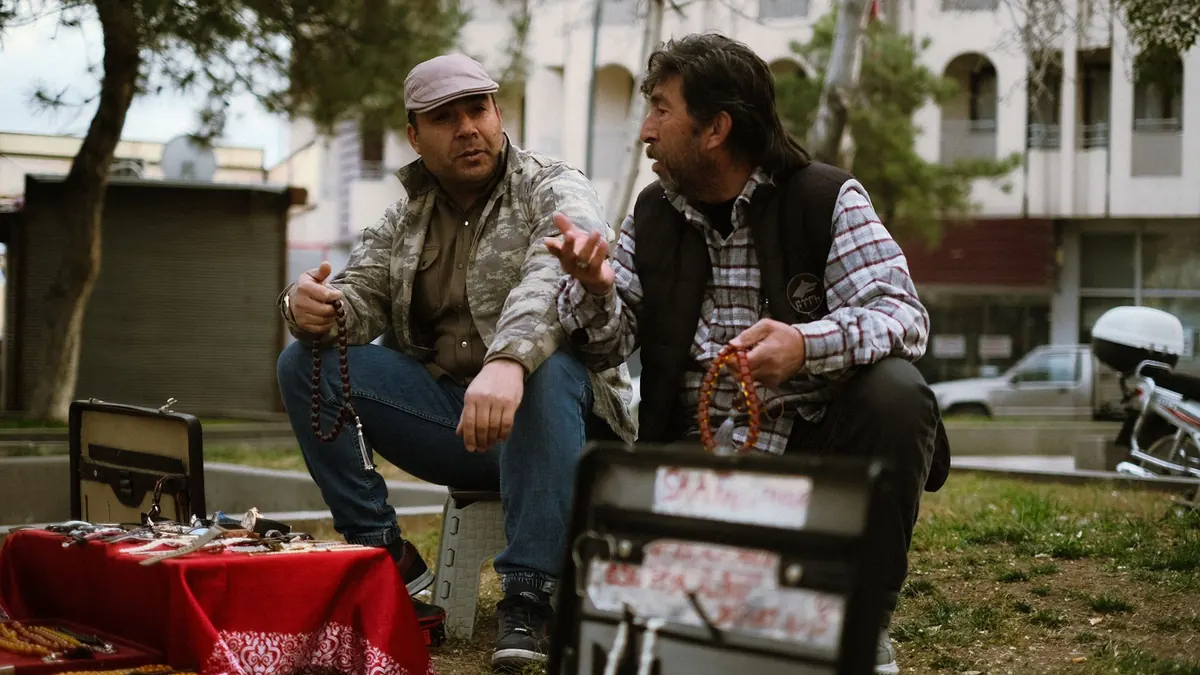
Your first Saturday in the market, you hand over a fiver for a bag of potatoes and the stallholder calls you "me duck." The woman behind the counter in the pub asks if you want a cob with that. Nobody is being strange with you. You have simply walked into a living dialect, and the sooner you learn a handful of its words, the sooner the place starts to feel like home.
Mercia dialect is less a single language than a family of accents and vocabularies spread across the Midlands. Terms drift from town to town, so a word that gets a knowing nod in one market may get a blank look ten miles down the road. Treat the list below as a starting kit, not a rulebook.
Why the Words Matter
Dialect is practical. It tells you who is local, who is in a hurry, and who is about to offer you a cup of tea. It also carries warmth. When someone calls you "bab" or "duck," they are not commenting on your age or your appearance; it is simply how affection sounds around here.
Newcomers who learn even a dozen words report a strange and pleasant thing: conversations shorten. You stop needing everything repeated, and shopkeepers stop switching to careful, neutral English for your benefit. That switch, however kindly meant, is the real barrier.
In the Market
The market is where dialect is spoken fastest, because everyone is working. Listen for these:
- Mom (rhymes with "from") — a bread roll. Nothing to do with your mother. In some towns you will hear cob, batch or bap for the same thing. If you order "a bacon mom," expect a look of quiet approval.
- Snap — food, or a packed lunch. "I've brought me snap" means sandwiches are in the bag.
- Faggots — a traditional savoury dish of seasoned meat, usually sold ready-made from a butcher or a hot food stall. Ask how to cook them; every stallholder has an opinion.
- Grey peas — dried peas, soaked and simmered, often served with bacon or faggots. A proper winter dish.
- Pikelet — a thick, soft, crumpet-like cake, toasted and buttered. Sold in packs of six and gone by teatime.
- Scrage — a scratch or a graze, usually on a child's knee. "He's got a scrage on his leg" needs no translation once you see it.
- Gambol — a forward roll. Small children do them off the sofa; nobody minds much.
"Anything else, me duck?" — "No, that's the lot, ta."
That exchange is the entire grammar of a market transaction. "Ta" means thank you. "Me duck" is a term of endearment, and you will hear it from men and women alike, to strangers and friends. If it catches you off guard the first time, you are in good company.
In the Pub
Pubs run slower than markets, which makes them the best classroom in town. Buy a pint, sit where you can hear, and the words will come to you.
- Owamya? (OW-uh-mya) — "How are you?" The whole question arrives as one word. Answer with "Not so bad" or "Ay, bostin," and you will pass.
- Bostin (BOSS-tin) — excellent, great. "That pint's bostin." Use it sparingly; it lands harder that way.
- Mardy (MAR-dee) — sulky, moody, easily offended. "Don't get mardy" is a warning, usually delivered with a grin.
- Babby — a baby. "She's got a new babby" needs no further explanation.
- Tarraabit (tah-RAB-it) — "That's all right, my mate" — a common shorthand for "you're welcome." You will hear the whole phrase run together so tightly it sounds like one word, because it is.
- Now then — a greeting, not a question about time. The reply is "Now then." That is the full conversation, and it is not rude.
- Ta-ra — goodbye. Short, friendly, and used everywhere from the school gate to the bar.
Everyday Talk You'll Pick Up Fast
Some words follow you out of the pub and into ordinary life. Duck and bab are the affectionate ones, more common in the east of the region and around the Potteries. Mardy and snap travel widely. Ay up works as a hello anywhere, though you will hear it more in the north of the region than the south.
You will also hear the phrase "it's a bit black over Bill's mother's" when dark clouds gather on the horizon. No one has ever met Bill, and no one needs to.
A Few Notes on Sound
You do not need to copy the accent, and trying too hard is the quickest way to sound false. But a few patterns will help you hear what is being said.
The letter "g" often disappears from the end of "-ing" words, so "going" becomes "gooin" and "something" becomes "sommat." The vowel in words like "bath" and "castle" is short and flat rather than long and southern. And questions get compressed: "Are you all right?" becomes "All right?" with the first word clipped to almost nothing.
How to Fit In Without Trying Too Hard
- Listen for a week before you speak. Dialect is easier to recognise than to reproduce.
- Ask what a word means. "What's that mean round here?" is a welcome question, not an admission of failure.
- Use one or two words at a time. "Ta" and "ta-ra" are safe starting points.
- Do not adopt an accent you have not grown up with. Borrowing a word is friendly; mimicking a voice is not.
- Expect variation. The word your neighbour swears by may be unknown two streets away.
- Watch the market on a Saturday morning. It is the fastest and most honest lesson available, and it is free.
Try It Next Saturday
Pick up a cob, say "ta" when you pay, and answer "now then" the next time someone greets you that way. That is enough to start. Nobody expects you to arrive fluent, and most people will be pleased you are bothering at all. Dialect is not a test you pass or fail; it is an invitation, and the door is already open.
Photo: ahmet öktem / Pexels