
Three Riverside Running Loops in Mercia Compared: A Beginner's Distance and Surface Guide
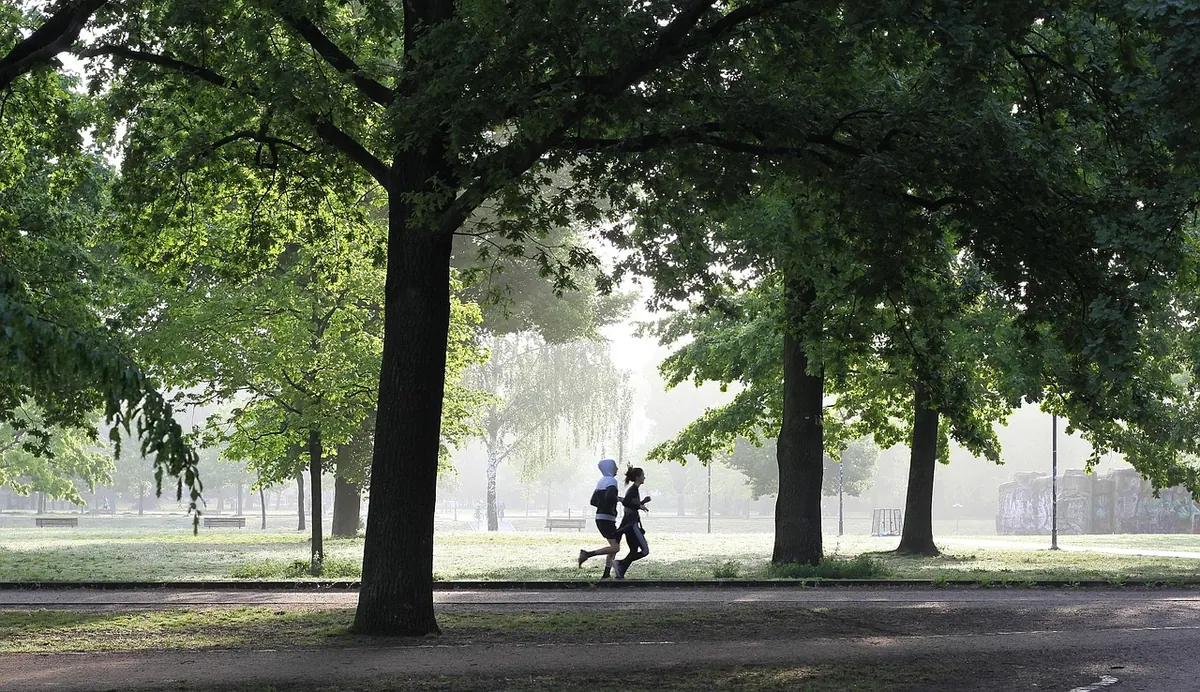
The hardest part of starting to run is rarely the running. It is the deciding: where to go, how far it is, whether the path turns to slop halfway round, and whether there will be anywhere to leave the car. Mercia's riverside paths answer most of that at once. They are flat, they are easy to measure, and they are almost impossible to get lost on, because the river always knows where it is going.
Three loops come up again and again when new runners ask where to begin: the Mill Loop, the Weir Loop and the Flood Meadows Loop. They sit within a couple of miles of each other, so you could try all three in a fortnight, and they are different enough that the choice genuinely matters. Here is how they compare on the four things that decide whether a run feels good or grim.
What Actually Matters on a Riverside Run
Distance is the obvious one, but it is not the only one. Two routes can both be five kilometres and feel nothing alike depending on what is under your feet and whether you can see it. These are the things worth checking before you commit to a loop:
- Distance: measured on a phone app or a map, not on the signs. Riverside signage is patchy and some of it dates from a time when the path ran somewhere else.
- Surface: tarmac is quick and predictable in the wet. Compacted gravel is kind on the knees but slower. Grass is soft, tiring, and often muddy from November to March.
- Lighting: lit all the way, lit in patches, or properly dark. This decides whether the route works on a winter evening or only at weekends.
- Parking: a small free car park that fills early is very different from on-street spaces, or from no parking at all.
- Escape routes: how many points let you cut the loop short if your legs or the weather change their mind.
The Mill Loop: 3.2 km of Tarmac, the Best First Run
The route
The Mill Loop runs along the north bank between the old mill and the second road bridge, then back over the bridge and down the other side. It is a little over three kilometres, or about two miles, which is a sensible first target for anyone coming off the sofa. There is one short ramp near the mill and no gates, steps or stiles.
Surface and company
All tarmac, wide enough for two people side by side and a cyclist to pass without drama. It is the busiest of the three paths, particularly between eight and nine in the morning and again after five. Expect dog walkers, buggies and people who stop suddenly to photograph the heron. Say "coming past" rather than hoping they hear footsteps.
Lighting and parking
Lamp posts follow the path for most of its length, with a dark stretch in the final few hundred metres where the trees close in. If that bothers you, turn around early and do it as an out-and-back instead. Parking is at the mill car park, which is small and fills quickly on market mornings, with on-street spaces near the bridge as a fallback. No toilets.
The Weir Loop: 5 km, Mixed Surface, the Natural Step Up
The route
The Weir Loop crosses the river at the weir footbridge and returns along the south bank, which makes it feel like a proper circuit rather than a there-and-back. Five kilometres, or 3.1 miles. There are two places to shorten it to roughly three and a half kilometres if you need to: at the second bench on the south side, and at the footbridge itself.
Surface and company
Tarmac for the first couple of kilometres, then compacted gravel with a few tree roots pushing through the surface. The roots are not dangerous but they will catch a tired foot, so keep your eyes down on that section rather than admiring the water. Cyclists use this stretch more than the Mill Loop, and the path narrows at the weir, so stay left and listen.
Lighting and parking
Lit at both ends and genuinely dark through the middle third, which makes it a daylight or early-evening route for most of the year. Parking at the leisure centre is the best option: it has toilets and water, and it is a short walk from the path. The east car park is closer to the weir but has no facilities.
The Flood Meadows Loop: 7.5 km, Grass and Gravel, the Long One
The route
The name is not decorative. Seven and a half kilometres, or 4.7 miles, following the meadow edge, out to the second weir and back along the gravel track. Two gates and one stile, which can be muddy enough to need both hands on the post. Route marking is sketchy in places, but the river is a reliable guide: keep it on your left on the way out and you will not go far wrong.
Surface and company
Grass for the first half, then gravel. The grass is soft and slow, which is good for the legs and hard on the ego, because your usual pace will not happen here and does not need to. Quieter than the other two, with a few anglers and the occasional horse.
Lighting and parking
Unlit throughout. Parking is on the verge by the meadow gate, with no formal car park and no facilities. After heavy rain the lower sections flood and the loop becomes impassable, so check the river level before setting out rather than discovering it at the far end.
Side by Side
- Mill Loop — 3.2 km (2 miles): tarmac, mostly lit, small car park. The one to start with.
- Weir Loop — 5 km (3.1 miles): tarmac then gravel, lit in patches, leisure centre parking with toilets. The step up.
- Flood Meadows — 7.5 km (4.7 miles): grass and gravel, unlit, verge parking only. Save it for a weekend morning in daylight.
A Sensible First Month
- Week one: walk the Mill Loop once so you know the surface without thinking about pace, then run-walk it twice — a minute of running, a minute of walking.
- Week two: run-walk the Mill Loop three times, gradually lengthening the running portions. Do not add distance yet.
- Week three: move to the Weir Loop for one session and keep the other two on the Mill Loop. Expect the gravel section to feel harder than the tarmac.
- Week four: if the Weir Loop feels comfortable, try the Flood Meadows on a dry weekend morning and treat the grass as a bonus rather than a test.
Before You Go
Shoes matter more than anything else you will buy. A pair with some grip and a bit of cushioning will handle all three surfaces; smooth road trainers will slide on wet roots and wet grass. Add something visible if you are running anywhere unlit, and take a phone with a charged battery even on the short loop.
Tell someone which route you are taking and roughly when you will be back. Carry a little water for anything over half an hour, and warm up with five minutes of brisk walking before you start running rather than stretching cold muscles on the bank.
If you are new to exercise, returning after a long break, pregnant, or managing a heart condition, joint problem or anything else ongoing, speak to your GP or a qualified professional before you build up distance. That is not a reason to avoid the river — it is a reason to start it properly.
One last thing: these paths are shared. Runners, cyclists, dog walkers, anglers and people who simply want a quiet half hour all have equal claim to them. Move aside when you can, keep left, and leave the riverside as you found it. The loop will still be there tomorrow, and so will everyone else's.
Photo: wal_172619 / Pixabay