
Winter Gritting Routes Explained: Which Mercia Roads Get Treated First and Why
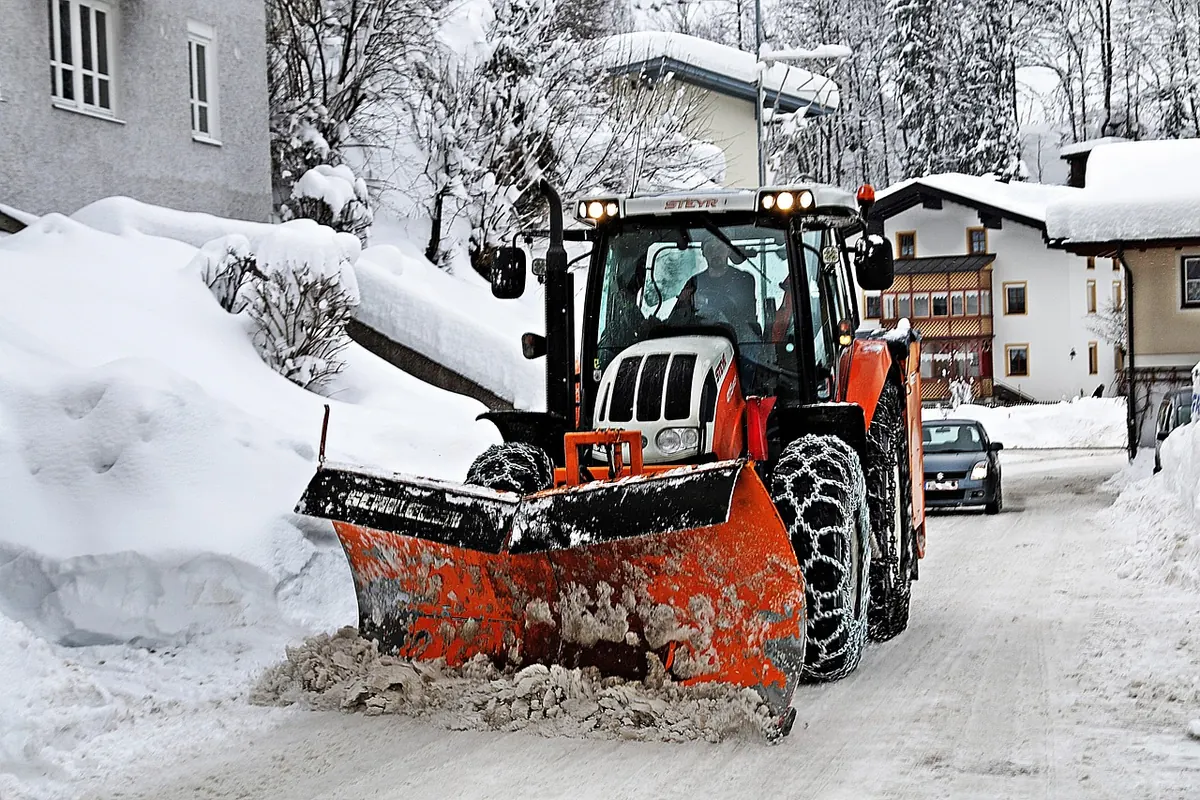
A frosty morning tells you a lot about where you live. On a main road, you may never see a gritter at work — the salt was down hours before you woke. At the end of a cul-de-sac or up a narrow lane, you might be looking at the same sheet of ice that was there at midnight. That difference isn't random, and it isn't personal. It comes down to a priority list drawn up long before the first cold snap.
Here's how the system works, what triggers a gritting run, and how to get a road looked at if you think it has been missed.
How the gritting network is ranked
No highway authority treats every road at once. There aren't enough gritters, drivers or hours in the night. So roads are sorted into priorities, and the fleet works down the list.
- Priority one: the main arteries. The roads carrying the most traffic and mattering most when things go wrong — routes between towns, key bus corridors, access to hospitals and fire and ambulance stations, steep hills, major junctions and bridges. Treated first, usually from the evening or the small hours so salt is down before the morning rush.
- Priority two: the connecting network. Roads feeding into the priority one network — the ones linking housing estates to main roads, secondary bus routes, roads serving schools and larger shopping areas, and the main routes into villages. Treated once the first tier is done, or alongside it where there are enough vehicles.
- Priority three: everything else. Residential streets, cul-de-sacs, rural lanes and minor estate roads. Treated when resources allow, which in a normal winter may mean only during a prolonged cold spell — not on every frosty night.
Footways are a separate operation run by a separate team. Town centre pavements and busy pedestrian areas are usually the first to be treated by hand, but most residential pavements are not gritted at all.
Worth saying plainly: priority is a measure of traffic and risk, not of who deserves help. An hour spent on a quiet estate is an hour not spent keeping the ambulance route open.
Who decides which roads make the list
The salting network is drawn up by the highways team and reviewed before each winter. Several things feed into it: the classification and traffic levels of the road, its gradient, its accident history, whether it carries a bus service, and whether it provides access to a hospital, school or emergency service. Bridges, overpasses and roads shaded by walls or trees also attract attention, because they freeze sooner and stay frozen longer than open stretches.
Routes are fixed in advance for a practical reason: drivers often work in the dark, in poor visibility, and need to know the route without thinking about it.
If you believe a road should be ranked higher, ask for a review — in writing, with specifics. "This lane serves three farm entrances and floods and freezes every year" gets further than "our street gets ignored".
The temperature threshold that triggers a grit run
The number that matters isn't the one on your phone's weather app. It's the road surface temperature. Roads radiate heat overnight and can sit two or three degrees colder than the air above them.
As a rule, gritting is triggered when road surface temperatures are forecast to fall to around freezing or below. Because forecasts carry a margin of error, and because a wet road can freeze the moment it drops, most winter teams act on a precautionary basis — treating when temperatures are expected to dip to around 1°C and keep falling, rather than waiting to see ice form.
Precautionary salting is the backbone of the whole operation. Salt spread before frost forms stops ice bonding to the surface. Salt spread afterwards has to melt through it, which takes time and traffic.
What gritting can't do
- It doesn't work on its own. Salt needs to be crushed and spread by tyres to turn into brine. On a quiet street with little traffic it sits on the surface doing far less — one reason residential roads rank lower, and also harder to treat well.
- It struggles in extreme cold. As temperatures fall well below freezing, salt alone becomes much less effective. Teams often add or switch to other treatments, and even then the road may stay icy.
- It gets washed away. Rain falling onto frozen ground, or freezing rain, can undo a gritting run within an hour.
- It doesn't leave a dry road. A salted road is a wet, salty road. That's the treatment working, not failing.
What isn't covered — and who to ask
Gritting covers the public highway. It generally doesn't cover private roads, driveways, most car parks, or residential pavements. Grit bins sit on the network for public use in steep or problem spots; if one near you is empty or damaged, report it, because it's usually a quick fix.
If you clear the pavement outside your home, do it early and carefully, before snow is compacted into ice. In many places there's nothing stopping residents from clearing a public pavement, and doing it sensibly is generally welcomed. If you're unsure how liability works where you live, ask your local authority.
Reporting an untreated road
- Check the priority list first. If your street is a priority three road, a missed pass on a frosty morning may not be an oversight.
- Gather the details. Road name, exact location, time you checked, and whether it's snow, sheet ice or a wet surface that hasn't frozen. Mention if it's a hill, a bend, a bridge approach or a route to a school.
- Use the highways reporting form or winter line. Most councils have an online tool for highways issues, and some run a dedicated winter maintenance number during cold spells. One report per location is enough — duplicates slow things down.
- Use the emergency route for emergencies. A flooded road freezing over, a fallen tree, or a road that's genuinely impassable and blocking emergency vehicles needs the out-of-hours emergency number, not a web form.
- Ask for a review, not just a grit. If the same road is a problem every winter, request that its ranking be reassessed and give your reasons.
A few things worth doing before the next cold snap
Keep a bag of salt or grit by the door and spread it thinly and early — before the frost settles, not after you've already slipped on it. Shovel snow while it's still soft; snow walked flat turns to ice and stays there.
Look in on neighbours who are older or less steady on their feet, and give yourself extra time on mornings when the temperature hovers around freezing. That's when roads are most deceptive, because a wet-looking surface can be a sheet of ice. Shaded corners, bridges and hill tops freeze first and thaw last.
Keep an eye on the council's winter service pages, which usually post when runs are going out, so you know whether anything has been done before you assume nothing has. And if a road near you is consistently the worst in the area, say so. Route maps are reviewed every year, and the case for a change gets built by residents who bother to make it.
Photo: ReinhardThrainer / Pixabay