
How Mercia's Council Budget Is Decided: An Explainer for First-Time Meeting Attendees
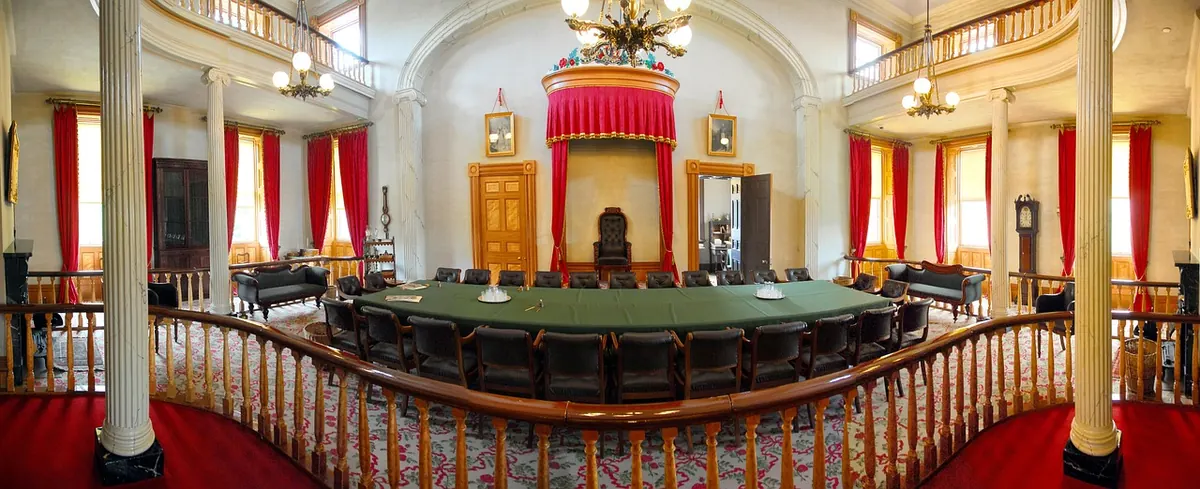
The budget meeting is the one night of the year when Mercia's council chamber fills up. Residents who have never been to a public meeting before turn up, take a seat at the back, and spend the first twenty minutes trying to work out why everyone keeps referring to "the MTFS". If that sounds like your evening, the good news is that the rules are simpler than the language suggests. Here is what actually happens, when it happens, and how to get a word in.
The budget clock: what happens, and when
Council budgets run to a fixed clock. The financial year starts on 1 April, and the budget for that year is normally agreed at a full council meeting in February or early March. By the time you sit down in the public seats, the real work has been going on for the best part of a year.
The broad sequence looks like this:
- Spring and summer: service departments begin building their bids for next year, and finance officers update the long-range forecast.
- Autumn: the draft takes shape. Officers publish the pressures they expect — pay awards, rising demand for care, energy bills — alongside proposed savings.
- Late autumn to early winter: consultation. Residents, businesses and community groups are invited to comment, usually through an online form and sometimes at drop-in sessions.
- January: scrutiny. Committees question officers and the relevant cabinet members, then publish their findings.
- February or March: full council debates, amends and votes. Council tax notices land on doormats in March.
Your council publishes its own calendar of meetings, and the agenda pack for the budget meeting has to be available several days beforehand — commonly at least five clear working days. If you only read one thing, read the budget report inside that pack.
Documents worth opening before you go
The budget report itself is the main event: a summary, the proposed savings, and a table showing how the numbers add up. Alongside it you will usually find the current medium-term financial plan, a summary of consultation responses, and equality impact assessments for the bigger proposals. You do not need to read all of it. Start with the summary pages and the savings table, then dip into whatever affects your street, your library or your bus route.
The jargon, translated
Council papers use a private language. These are the terms that come up most often.
- MTFS: the Medium Term Financial Strategy. A rolling plan covering several years, showing expected spending needs against expected income. It is the frame everything else hangs on.
- Revenue budget: day-to-day running costs — staff, contracts, energy, maintenance.
- Capital budget: one-off spending on buildings, roads, vehicles and IT, usually funded by borrowing, grants or the sale of assets.
- Precept: the amount an authority adds to council tax bills. If you live in an area with parish or town councils, their share appears as a separate line.
- Council tax base: the number of chargeable dwellings in the area, adjusted for discounts and exemptions. It is what officers use to work out how much any given change in council tax would raise.
- Reserves: money held back. Earmarked reserves are set aside for a stated purpose; general reserves act as a cushion against the unexpected.
- Savings proposals: planned reductions in spending. Read the detail rather than the headline — some are genuine service cuts, others are restructuring or new income.
- Virement: moving money between budget lines during the year, usually within limits set by the constitution.
One document deserves special attention: the statutory report from the chief finance officer on whether the budget is robust and reserves are adequate. If that report carries caveats, the caveats matter more than anything said in the debate.
Where the money comes from, and where it goes
Income arrives from a handful of sources: council tax, the share of business rates the authority keeps, grants from central government, and fees and charges for things like parking, planning applications and leisure centres. On the spending side, social care tends to dominate, followed by waste collection and disposal, highways, planning, libraries and cultural services. If your area runs a two-tier system, remember that the county handles social care and roads while the district handles waste and planning — so check which authority you are actually watching.
If your own council tax bill is causing you difficulty, ask the council directly about its reduction scheme or any discounts you may be entitled to. That is a personal financial matter, and a public meeting is not the place to resolve it; for anything with legal or money consequences, take proper advice.
Speaking rights: what you can and cannot do
Most councils set aside time for public questions, often at the start of the meeting. The rules vary, so check the constitution on the council's website. Typically you must submit your question in writing by a deadline several days before, keep it short and directed at a named portfolio holder, and register your attendance on the night.
What you cannot do is join the debate itself. Amendments to the budget are proposed by councillors, the chair controls who speaks, and the public gallery stays silent. That is not a brush-off — it is the difference between a meeting and a rally.
Getting your point on the record
- Find the public question procedure in the constitution and note the deadline and word limit.
- Send your question in writing, ideally one clear question rather than three.
- Arrive fifteen minutes early and sign in with the Democratic Services officer.
- Ask it plainly, listen to the answer, and use your follow-up if one is allowed.
- Check the draft minutes afterwards to confirm the answer was recorded.
Other routes work too. Your ward councillor can ask questions on your behalf and propose amendments. Scrutiny committees take written evidence. And the annual budget consultation is open to anyone — comments there often carry more weight than a question at the final vote, because they arrive while options are still live.
Following the debate without drowning
Keep the agenda open and note the item numbers so you can find the papers later. Watch the officers' table as much as the councillors: the finance officer's comments are the ones with legal weight. Listen for the difference between "recommend" and "approve" — the first means the decision is still to come. Votes usually run amendments first, then the budget as a whole, and it is worth staying to the end to see which way yours went. Many councils stream and archive their meetings, so you can watch a previous budget debate before attending a live one.
Your first meeting: a short checklist
- Read the agenda pack a few days ahead; start with the summary and the savings table.
- Confirm the start time and whether you can attend online. Public participation by video is often limited.
- Arrive early, sit where you can see and hear, and put your phone on silent.
- Bring the agenda on paper or a tablet so you can follow the item numbers.
- Ask the Democratic Services officer if anything is unclear. That is part of their job.
- Stay for the vote, then look up the draft minutes a week or two later.
Budgets are compromises, and the meeting where they are settled is rarely the moment the decisions were really made. But attending once changes how you read everything that follows — the roadworks notice, the library opening hours, the consultation that lands in your inbox. Go once, and the second time will feel routine.
Photo: Graham-H / Pixabay