
Mercia Bin Collection Changes: A Month-by-Month Checklist for Every Household
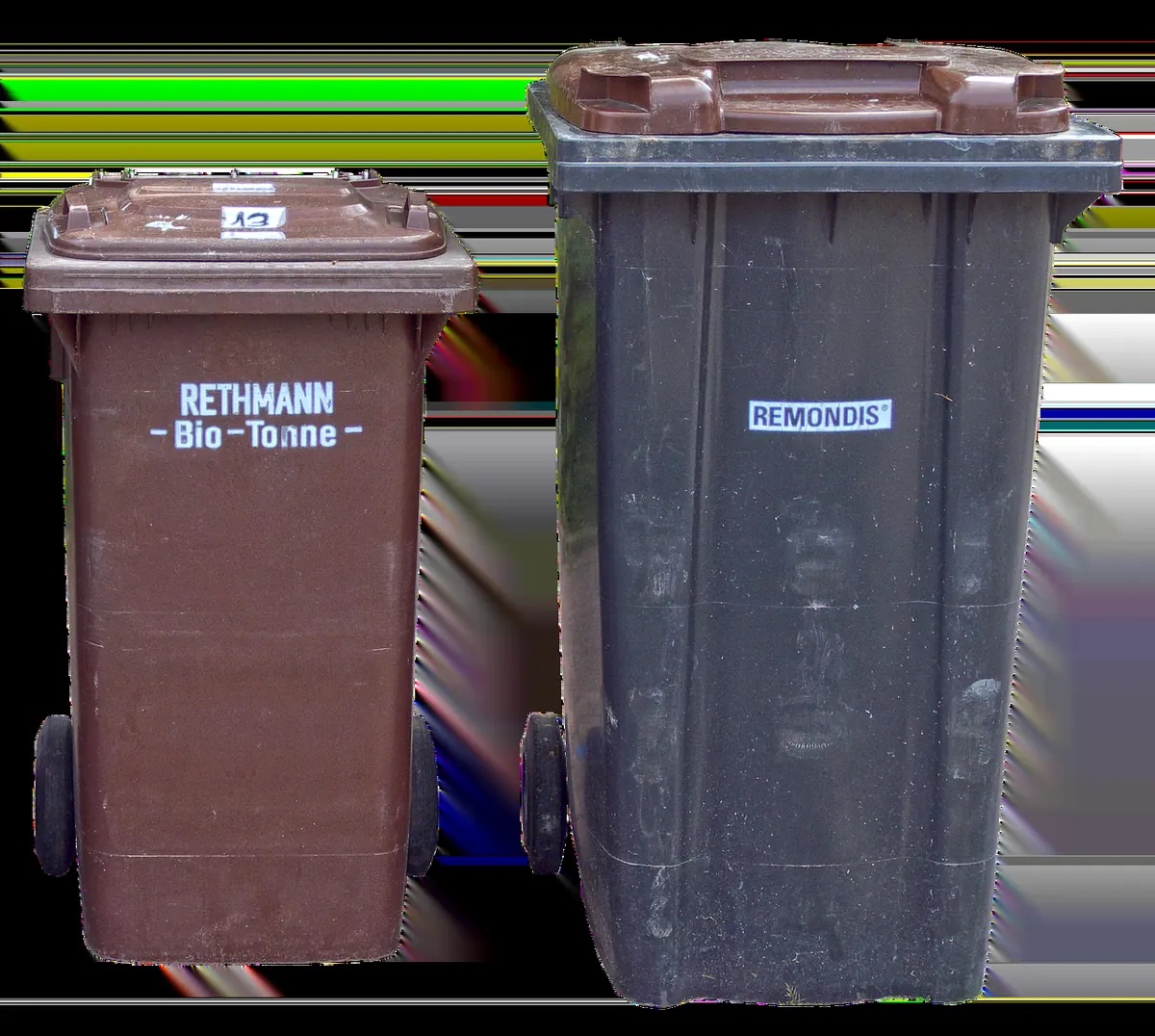
Bin day has quietly become one of the most talked-about dates in the household diary. And with the new rounds now running, the question at the kitchen table is rarely about the bins themselves. It is about the timetable: does the recycling still go out on a Tuesday, does the garden waste pause, and what happens when a bank holiday lands on your normal day?
Rather than guess, work through this checklist. Print it, stick it on the fridge, and tick off each month as it comes.
First, get your four dates straight
Most of the confusion comes from treating collection day as a single thing. It isn't. On the new rounds, different materials often travel on different days, and one stream can shift while another stays exactly where it was.
Find your street's calendar on the council website or the printed leaflet, then write these down separately, in marker pen:
- General waste — which weekday, and whether it is weekly or fortnightly.
- Recycling — which weekday, and whether it alternates with garden waste.
- Food waste — every week for most households, on the same day as one of the above.
- Garden waste — season start and end dates, plus any subscription renewal.
Then add two small notes beside them: the time your containers must be out by, and the time the crew normally finishes. Put the second one in your phone. It saves an argument about whether the bin was missed or just early.
The bank holiday rule of thumb
When a bank holiday falls on a normal collection day, most councils push that week's collections back by a day: Monday rounds move to Tuesday, Tuesday to Wednesday, and so on through the week. Everything returns to normal the following week. Collections that fall after the holiday in that same week usually shift too, so check all four of your dates, not just the one on the holiday itself.
Christmas and New Year are the exception. Those weeks can shift by more than a day, and some rounds pause altogether, so they are worth checking twice — once in late November, and again the week before.
A few practical habits help here. Put containers out the evening before, not a week early; most councils ask for bins to be presented after 7pm the night before and brought back in by the end of the following day. Leave them out a little longer than you think you need to if the crew is running late. And if a collection is genuinely missed, report it the same day if you can — many councils want missed bins logged within 48 hours.
Month by month: what to check and when
January and February
- Check whether garden waste collections are suspended over winter, and when they restart.
- Replace anything broken over Christmas — cracked boxes, missing lids, split caddy liners.
- Keep grit, salt and cold ash out of the recycling. Bagged ash belongs in general waste and only once it is completely cold.
- If ice or snow delays a round, leave the correct container out and wait. Do not add a second, wrong one to the kerbside.
March, April and May
- Garden waste rounds restart for most households as growth picks up. Renew the subscription early if yours runs out at the end of March.
- Two bank holidays in April and two in May mean at least four shifted weeks. Mark them on the calendar now, before they arrive.
- Spring cleanouts mean bulky waste. Book collections well ahead if you have furniture or white goods to shift.
- Grass cuttings and hedge trimmings go in the garden bin, never in the recycling box.
June, July and August
- Heat is the enemy of food waste. Line the caddy, keep it in the shade, and put it out on the morning of collection where your council allows it.
- Crews sometimes start earlier in warm weather. Have containers out the night before so you are not caught out.
- If you are away, ask a neighbour to move bins in and out. Containers left at the kerb for a fortnight attract fly-tipping and, in some areas, a fixed penalty.
- Peak growing season means the garden bin fills fast. Loose material, no plastic bags, no soil.
September, October and November
- Leaf fall belongs in the garden bin or a home compost heap, not in recycling.
- Winter timetable changes are usually announced now. Read them while you still have time to plan.
- Fireworks and bonfire ash go in general waste once cold — never in recycling. They can start a fire in the collection vehicle.
- Darker evenings make it easy to forget. Set a repeating reminder for the evening before each collection.
December
- Print the revised Christmas and New Year dates as soon as they are published.
- Flatten every cardboard box. If your council allows side waste, bundle it neatly beside the bin; if it does not, store it or take it to a recycling centre.
- Real trees are collected by some councils and not others. Check before you put one out.
What actually goes in each container
The rules differ slightly from place to place, but a few hold almost everywhere:
- Recycling: clean, dry and loose — not bagged. Rinse jars and tins; a quick swill is enough.
- Cardboard: flattened and no bigger than the container. Tear the clean lid off a greasy pizza box and bin the rest.
- Glass: check whether it goes in your kerbside box or must go to a bottle bank.
- Food waste: raw and cooked food, including bones if your council accepts them. No packaging, no bags unless they are the approved sort.
- Garden waste: cuttings only — no soil, plant pots or plastic sacks.
- General waste: nappies, polystyrene, cold ash, and soft plastics unless your council collects them separately.
- Never in any kerbside bin: batteries, vapes and aerosols. Take them to a shop or household recycling centre. They cause vehicle fires.
When in doubt, leave it out. One contaminated load can send an entire lorry to waste instead of recycling, and repeated contamination can get a bin left behind.
The two-minute weekly routine
- Check the calendar the night before. Bank holiday weeks catch people out.
- Put only the correct containers out, handles facing the road, after the time your council specifies.
- Keep bins under the weight limit and never compact waste by standing in the bin.
- Bring containers in by the end of collection day.
- If something is missed, report it that day and note the reference number.
- Photograph anything unusual — a damaged bin, a spill, a missed street — before you call.
Print it, pin it, stop guessing
Download the calendar, print two copies — one for the kitchen, one for the hallway — and write your four dates on it in pen. Set a phone reminder for the evening before each collection, and add a second reminder for the week of every bank holiday.
Then do one last thing: check the council's website the week the clocks change and again in mid-December. Those are the two points in the year when timetables move most often, and five minutes of checking saves a fortnight of overflowing bins. If your household includes anyone who struggles with the schedule, or you have a medical need for a larger bin, ring the council's waste team directly — assistance arrangements exist, and they are easier to sort out before a round changes than after.
Photo: anaterate / Pixabay